



POR ARIEL FERRERO | SUNNYNEWS & FMGN
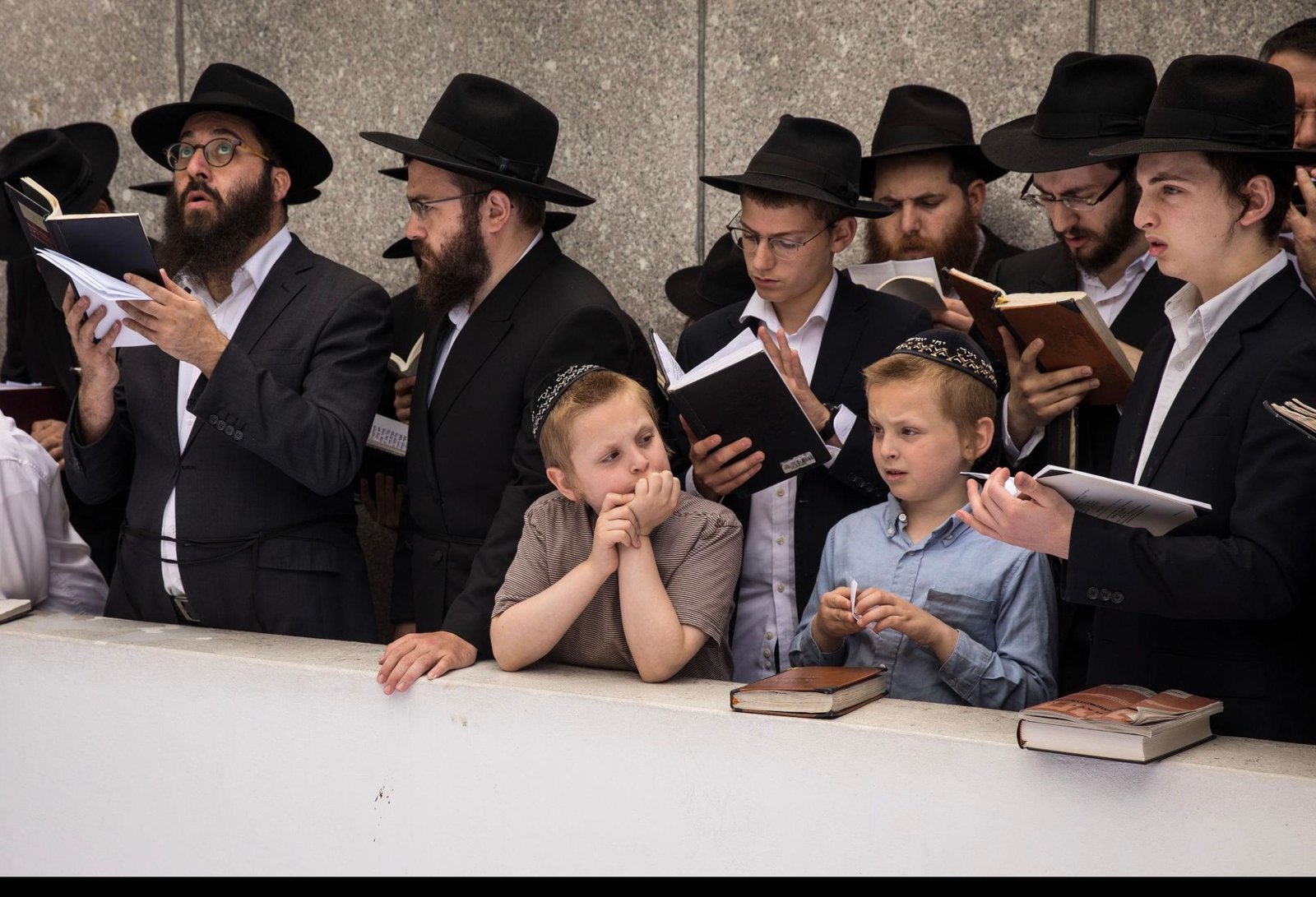
En un cementerio de Queens, la tumba del Rebe de Lubavitch se convirtió en un fenómeno de peregrinación internacional. Visitantes de todo el mundo llegan para rezar, escribir cartas y pedir bendiciones.

Nueva York tiene lugares que aparecen en todas las guías y otros que parecen pertenecer a una ciudad secreta. El Ohel, en Queens, forma parte de estos últimos.
En el Old Montefiore Cemetery, sobre Francis Lewis Boulevard, se encuentra el lugar de descanso del rabino Menachem Mendel Schneerson, séptimo Rebe de Lubavitch y una de las figuras más influyentes del judaísmo contemporáneo.
Lo que sucede allí todos los días resulta difícil de imaginar para quien nunca lo visitó. Según Chabad, alrededor de un millón de personas peregrinan cada año al Ohel, a cualquier hora del día y de la noche. En fechas especiales, la afluencia se multiplica: durante la semana del 32º aniversario de la muerte del Rebe, en junio de 2026, más de 50.000 hombres, mujeres y niños llegaron desde distintos lugares del mundo.
Luis de la Colina, de Argenc NYC Travel, conoce de cerca este movimiento de visitantes y destaca cómo el lugar se fue incorporando a los recorridos de quienes llegan a la Gran Manzana.
“El Ohel se ha vuelto muy, muy conocido. Atrae a muchísima gente de todo el mundo. Hay personas que llegan a Nueva York y quieren pasar por allí antes de continuar su viaje”, explica a SunnyNews.
Mucho más que una tumba
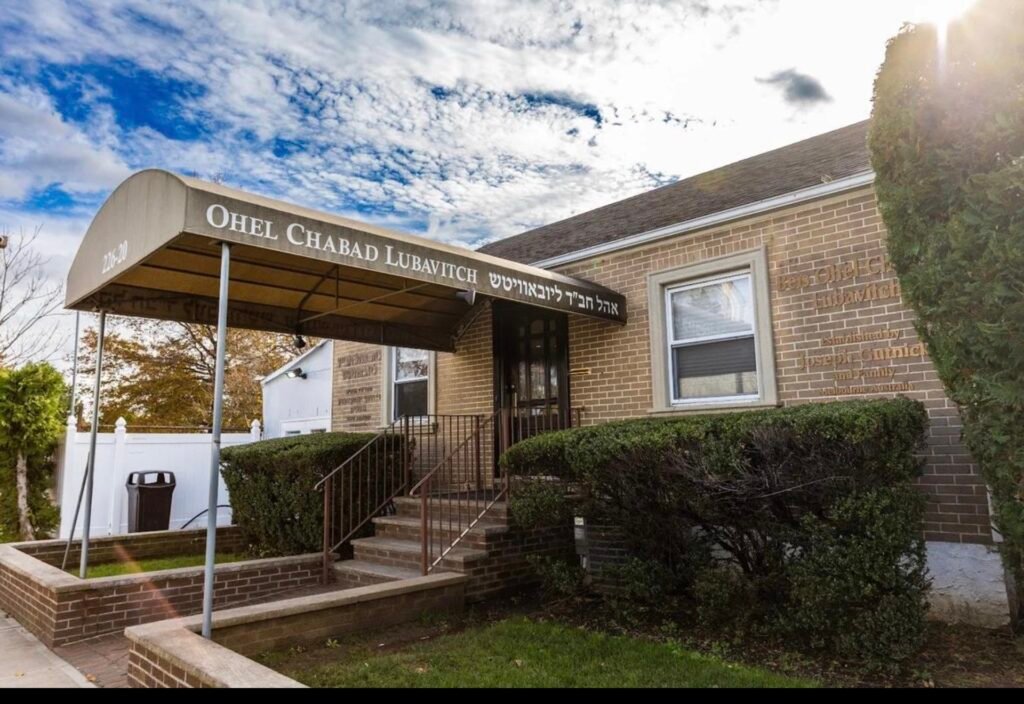
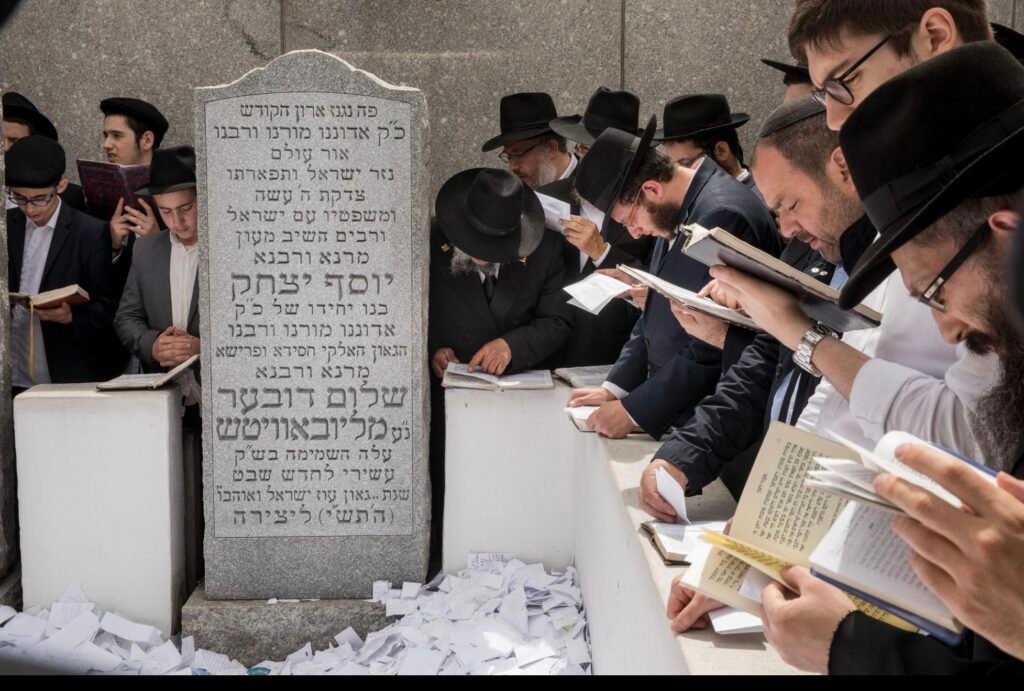
“Ohel” significa literalmente “tienda” y es el nombre con el que se conoce al espacio que alberga las tumbas del Rebe y de su suegro y predecesor, el sexto Rebe de Lubavitch, rabino Yosef Yitzchak Schneersohn.
La tradición judía de visitar los lugares de descanso de los tzadikim —los justos— se remonta a tiempos bíblicos. No se trata de rezarles a ellos, sino de dirigirse a Dios invocando sus méritos y buscando un ámbito especialmente propicio para la plegaria.
El propio Menachem Mendel Schneerson visitaba frecuentemente el Ohel de su suegro durante su vida. Tras su fallecimiento en 1994 y su entierro en el mismo lugar, el sitio comenzó a recibir una cantidad cada vez mayor de visitantes.
Hoy llegan judíos observantes y seculares, familias, jóvenes, empresarios y viajeros procedentes de numerosos países. Muchos nunca conocieron personalmente al Rebe, pero encuentran en el lugar un espacio para detenerse, reflexionar y pedir una bendición.
Una carta antes de entrar
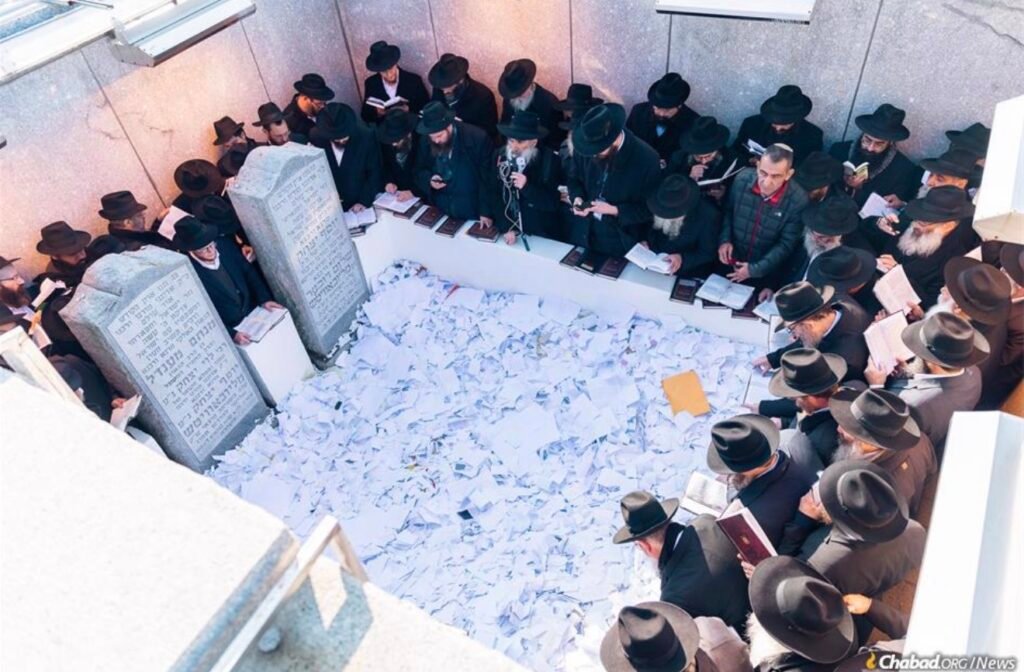
Una de las tradiciones más características del Ohel es escribir una carta. Se la conoce como pidión néfesh, o pan, y contiene los pedidos personales que cada visitante desea presentar: salud, hijos, pareja, trabajo, sustento económico, decisiones difíciles, fortaleza para atravesar un problema o simplemente agradecimiento.
La guía entregada a los visitantes aconseja escribir con sinceridad y en el idioma propio. Cuando se pide por una persona judía, tradicionalmente se incluye su nombre hebreo y el de su madre.
Antes de ingresar, la carta se lee en silencio. Después se rompe y los pequeños trozos de papel se depositan sobre el lugar de descanso del Rebe.
De la Colina destaca que esta tradición es una de las experiencias que más impactan a quienes llegan por primera vez.
“La gente va a hacer sus pedidos, a expresar lo que está necesitando. Se escribe una carta, una petición bastante formal. Y si uno no la preparó antes, cuando llega al lugar hay mesas donde puede sentarse a escribirla”, cuenta.
El operador turístico también señala que muchos visitantes atribuyen a sus plegarias experiencias personales que consideran extraordinarias.
“Hay gente que vuelve porque siente que se le cumplieron muchas cosas. Eso también hace que el lugar sea cada vez más conocido”, agrega.
Y no hace falta estar físicamente en Nueva York. Personas de todo el mundo envían sus cartas para que sean llevadas hasta el Ohel; Chabad señala que millones de peticiones han llegado a lo largo de los años por medios electrónicos y otros canales.
Cómo es la visita
La experiencia tiene sus propios rituales. Los hombres deben cubrirse la cabeza y hay kipot disponibles. Según la guía del Ohel, dentro del recinto no se utiliza calzado de cuero y hay calzado de materiales sintéticos para los visitantes. También se acostumbra realizar una donación, encender una vela antes de ingresar y llevar un libro de oraciones o de Salmos.
Hombres y mujeres acceden por entradas diferentes. Antes de entrar se golpea ligeramente la puerta como señal de respeto. Una vez dentro, se permanece de pie y las oraciones se realizan en voz baja, teniendo consideración por quienes están alrededor.
Tras leer la carta y depositarla en el lugar, el visitante puede continuar rezando, meditando o simplemente permanecer unos minutos en silencio.
Existe incluso un pequeño gesto cargado de simbolismo: al retirarse, la tradición es caminar hacia atrás durante unos pasos, manteniendo el rostro orientado hacia el lugar de descanso del Rebe.
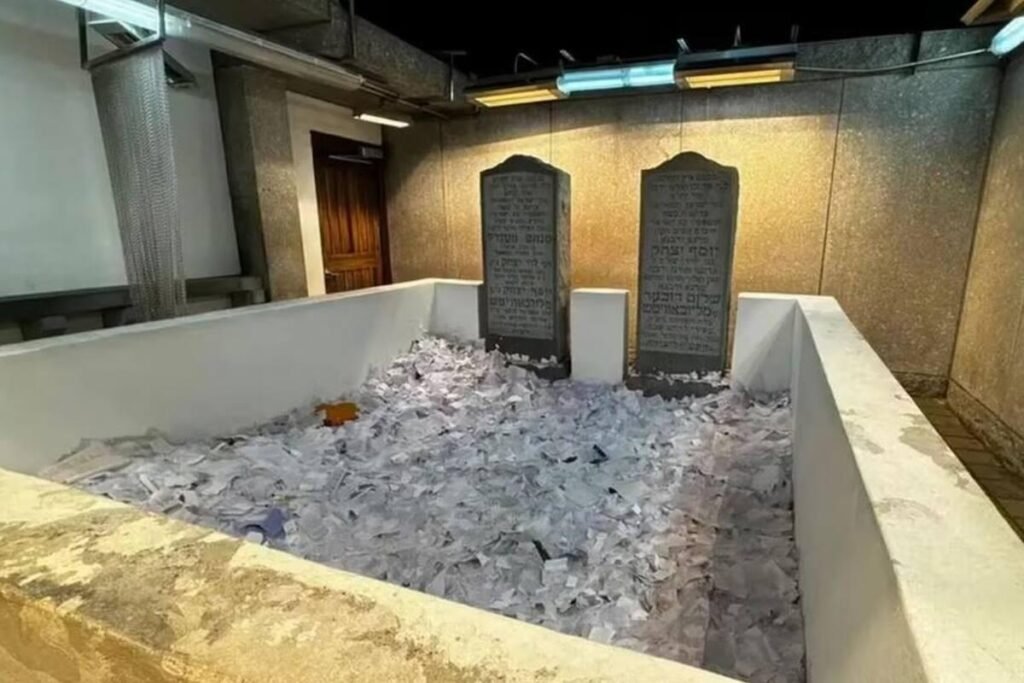
Salmos y silencio en medio de Nueva York
Entre las oraciones sugeridas se encuentra el Maané Lashón, una recopilación tradicional destinada a ser recitada en los lugares de descanso de los justos, además del libro de los Salmos.
También existe la costumbre de recitar el capítulo de Salmos correspondiente a la edad del Rebe.
Pero quizá uno de los aspectos más llamativos del Ohel sea que no hace falta conocer todas esas tradiciones para comprender la experiencia.
En una ciudad asociada con el ruido, las luces, los rascacielos y millones de personas desplazándose sin pausa, detrás de los muros de un cementerio de Queens aparece un pequeño espacio abierto donde la dinámica cambia completamente.
No hay atracciones, pantallas ni monumentos espectaculares. Hay cartas. Oraciones. Silencio. Y personas que llegan desde distintos lugares del planeta llevando consigo algo que quieren pedir, agradecer o resolver.
Un fenómeno que sigue creciendo
La influencia del Rebe no desapareció con su muerte. Más de tres décadas después, su tumba continúa atrayendo nuevas generaciones de visitantes.
El fenómeno alcanza su punto máximo alrededor del 3 de Tamuz, aniversario de su fallecimiento según el calendario hebreo. En 2025 más de 50.000 personas llegaron al Ohel por esa fecha, y la cifra volvió a superar las 50.000 en 2026.
El centro de visitantes fue ampliado con el paso de los años para recibir el creciente flujo de personas y cuenta con espacios para estudiar Torá, rezar, escribir las cartas y prepararse antes de ingresar al Ohel.
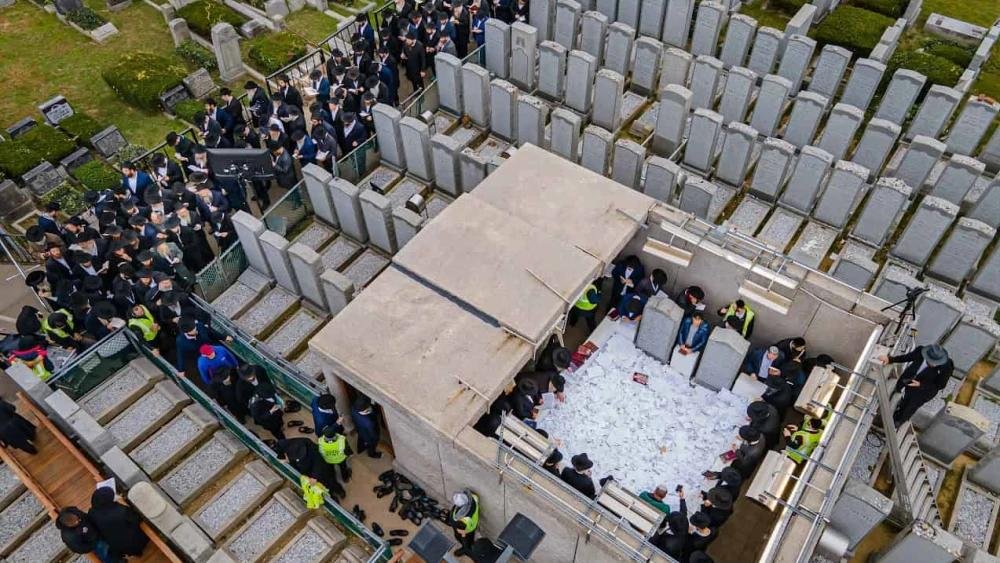
Una parada espiritual cerca del aeropuerto JFK
La ubicación del Ohel también favorece su incorporación a los itinerarios turísticos de Nueva York.
Situado en Queens, a unos 20 o 25 minutos en automóvil del aeropuerto internacional John F. Kennedy, según las condiciones del tránsito, el lugar se ha convertido en una parada para viajeros que aprovechan su llegada o partida de la ciudad.
“Muchas veces, cuando la gente viene a Nueva York, coordina el servicio para hacer una parada en el Ohel y después seguir al aeropuerto, o viceversa. Son miles de personas las que lo hacen”, explica De la Colina.
El operador recuerda además que figuras políticas internacionales, como Donald Trump y Javier Milei, también han visitado el lugar, contribuyendo a despertar la curiosidad de públicos que no necesariamente conocían su historia.
Es una cara de Nueva York muy diferente de Times Square, Central Park o la Quinta Avenida. Y quizá allí esté buena parte de su atractivo.
Porque el Ohel no es un lugar que se visita solamente para verlo. Para cientos de miles de personas, es un lugar al que se va con algo que decir.
Datos útiles
Ohel Chabad-Lubavitch
226-20 Francis Lewis Boulevard
Cambria Heights, Queens, Nueva York 11411
El lugar recibe visitantes durante todo el año, las 24 horas, y cuenta con espacios de preparación, oración y escritura de cartas.
Información oficial: https://www.ohelchabad.org/
Para visitar el Ohel desde Nueva York
Argenc NYC Travel – Luis de la Colina
📱 Phone & WhatsApp: +1 917-216-1930
✉️ argeNYCtravel@gmail.com
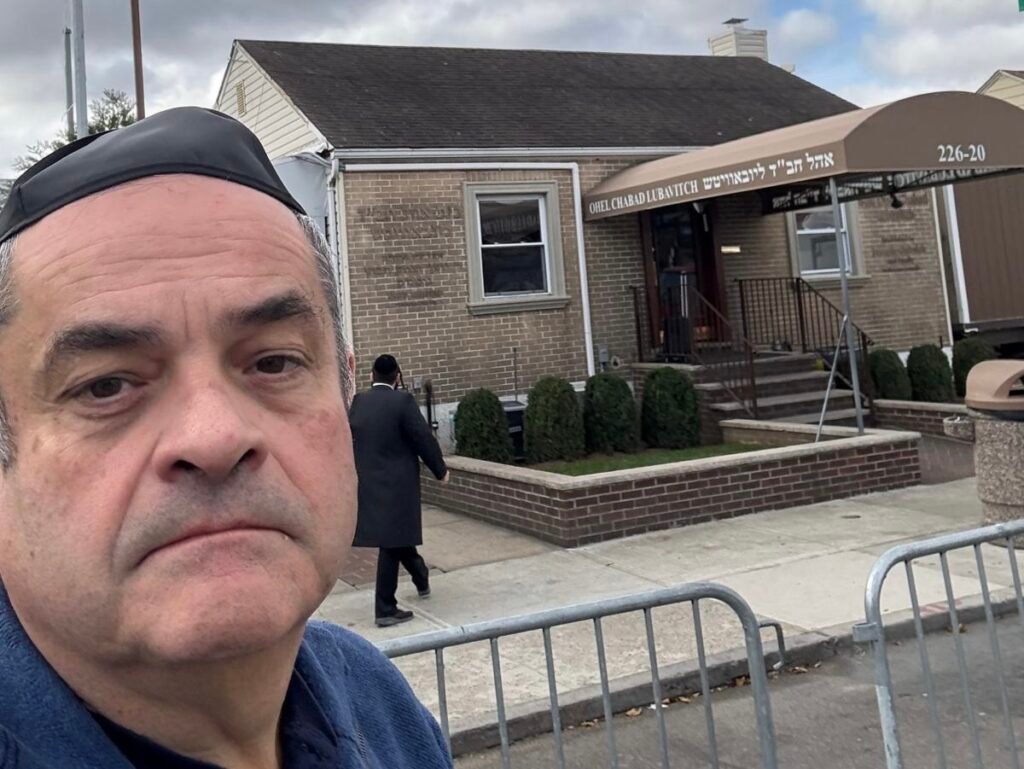
Luis organiza traslados y puede asistir a los viajeros que quieran incorporar la visita al Ohel a su estadía en Nueva York, incluyendo recorridos desde y hacia el aeropuerto JFK.
ENGLISH VERSION
The Ohel: New York’s Spiritual Hidden Gem That Welcomes Nearly One Million Visitors a Year
BY ARIELFERRERO | SUNNYNEWS & FMGN
In a cemetery in Queens, the resting place of the Lubavitcher Rebbe has become an international pilgrimage destination. Visitors from around the world come to pray, write personal letters, and seek blessings.

New York City has places that appear in every travel guide, and others that seem to belong to a hidden side of the city. The Ohel, in Queens, is one of those lesser-known treasures.
Located at Old Montefiore Cemetery on Francis Lewis Boulevard, it is the final resting place of Rabbi Menachem Mendel Schneerson, the seventh Lubavitcher Rebbe and one of the most influential figures in contemporary Judaism.
What happens there every day is difficult to imagine for those who have never visited. According to Chabad, approximately one million people make the pilgrimage to the Ohel each year, arriving at all hours of the day and night.
On special occasions, the number of visitors increases dramatically. During the week marking the 32nd anniversary of the Rebbe’s passing in June 2026, more than 50,000 men, women, and children traveled from around the world to visit the site.
Luis de la Colina, of Argenc NYC Travel, has witnessed the growing interest in the Ohel and explains how it has become part of the itineraries of travelers visiting the Big Apple.
“The Ohel has become very, very well known. It attracts an enormous number of people from all over the world. Some visitors arrive in New York and want to stop there before continuing their journey,” he told SunnyNews.
Much More Than a Tomb
The word “Ohel” literally means “tent” in Hebrew and refers to the structure housing the graves of the Rebbe and his father-in-law and predecessor, Rabbi Yosef Yitzchak Schneersohn, the sixth Lubavitcher Rebbe.
The Jewish tradition of visiting the resting places of tzadikim — righteous individuals — dates back to biblical times.
The purpose is not to pray to these individuals, but rather to address prayers to God while invoking their spiritual merits and seeking an environment considered particularly meaningful for prayer.
Rabbi Menachem Mendel Schneerson himself frequently visited his father-in-law’s Ohel during his lifetime. Following his passing in 1994 and burial at the same site, the number of visitors steadily increased.
Today, observant and secular Jews, families, young people, business leaders, and travelers from numerous countries visit the Ohel.
Many never met the Rebbe personally, yet they find in this place an opportunity to pause, reflect, and seek a blessing.
Writing a Letter Before Entering
One of the Ohel’s most distinctive traditions is writing a personal letter.
Known as a pidyon nefesh, or pan, the letter contains the visitor’s personal requests, which may concern health, children, relationships, employment, financial stability, difficult decisions, strength during challenging times, or simply expressions of gratitude.
The visitor guidelines recommend writing sincerely and in one’s own language. When praying for a Jewish person, tradition calls for including that person’s Hebrew name and their mother’s Hebrew name.
Before entering, visitors quietly read their letters. They then tear the pages into small pieces and place them at the Rebbe’s resting place.
De la Colina explains that this tradition is among the experiences that most deeply affect first-time visitors.
“People come to express their wishes and ask for what they need. They write a letter, a fairly formal personal request. And if they haven’t prepared it beforehand, there are tables where they can sit down and write it when they arrive,” he explains.
The tour operator also notes that many visitors associate their prayers with deeply meaningful personal experiences.
“Some people return because they feel that many of their wishes have been fulfilled. That is also one of the reasons why the place continues to become more widely known,” he adds.
And visitors do not need to be physically present in New York. People from around the world send letters to be delivered to the Ohel. According to Chabad, millions of prayer requests have been received over the years through electronic platforms and other channels.
What to Expect During a Visit
Visiting the Ohel involves several customs and traditions.
Men are expected to cover their heads, and kippahs are available on-site.
According to the Ohel’s visitor guidelines, leather footwear is not worn inside the sacred area, and alternative footwear made from synthetic materials is available.
Visitors also traditionally make a charitable donation, light a candle before entering, and bring a prayer book or a Book of Psalms.
Men and women enter through separate entrances.
Before entering, visitors lightly knock on the door as a sign of respect.
Once inside, they remain standing and offer their prayers quietly, showing consideration for others.
After reading and placing their letters at the resting place, visitors may continue praying, meditating, or simply spending a few moments in silence.
There is also a small but meaningful symbolic gesture: when leaving, visitors traditionally walk backward for several steps, keeping their faces turned toward the Rebbe’s resting place.
Psalms and Silence in the Heart of New York
Among the recommended prayers is Maaneh Lashon, a traditional collection of prayers recited at the resting places of righteous individuals, along with passages from the Book of Psalms.
Another custom involves reciting the Psalm corresponding to the Rebbe’s age.
Yet perhaps one of the Ohel’s most remarkable characteristics is that visitors do not need to understand every religious tradition to appreciate the experience.
In a city famous for its noise, bright lights, skyscrapers, and millions of people constantly on the move, a small open space behind the walls of a Queens cemetery offers an entirely different atmosphere.
There are no attractions, giant screens, or spectacular monuments. There are letters. Prayers. Silence. And people arriving from different corners of the world, carrying something they wish to ask for, express gratitude for, or find peace with.
A Phenomenon That Continues to Grow
The Rebbe’s influence did not disappear with his passing.
More than three decades later, his resting place continues to attract new generations of visitors.
The pilgrimage reaches its peak around the third day of Tammuz, the anniversary of his passing according to the Hebrew calendar.
More than 50,000 people visited the Ohel during this period in 2025, and attendance again exceeded 50,000 in 2026.
Over the years, the visitor center has expanded to accommodate the growing number of pilgrims.
Today, it includes areas where visitors can study Torah, pray, write letters, and prepare before entering the Ohel.
A Spiritual Stop Near JFK Airport
The Ohel’s location also makes it convenient to include in a New York travel itinerary.
Situated in Queens, approximately 20 to 25 minutes by car from John F. Kennedy International Airport, depending on traffic conditions, it has become a popular stop for travelers arriving in or departing from the city.
“Very often, when people come to New York, they arrange transportation that includes a stop at the Ohel before continuing to the airport, or the other way around. Thousands of people do this,” De la Colina explains.
The tour operator also points out that international political figures, including Donald Trump and Argentine President Javier Milei, have visited the site, helping generate interest among audiences who may not have previously been familiar with its history.
This is a very different side of New York from Times Square, Central Park, or Fifth Avenue.
And perhaps that is precisely what makes it so special.
Because the Ohel is not simply a place people visit to see something.
For hundreds of thousands of visitors, it is a place they go because they have something to say.
Useful Information
Ohel Chabad-Lubavitch
226-20 Francis Lewis Boulevard
Cambria Heights, Queens, New York 11411
United States
The Ohel welcomes visitors year-round, 24 hours a day, and offers facilities for preparation, prayer, and letter writing.
Official website: https://www.ohelchabad.org/
Planning a Visit to the Ohel from New York City
Argenc NYC Travel – Luis de la Colina
Phone & WhatsApp: +1 917-216-1930
Email: argeNYCtravel@gmail.com
Luis arranges transportation and assists travelers who wish to include a visit to the Ohel in their New York itinerary, including transfers to and from John F. Kennedy International Airport.










Dejá una respuesta